


What Happens to Sex When You Stop Pretending You're 35
A lot of people carry an internal age that has very little to do with the one on their birth certificate.
I know this because I am one of them. For most of my adult life I operated with an internal sense of myself as roughly thirty-five, and it worked well enough that I rarely questioned it. It gave me a feeling of unlimited possibility. It kept me open to reinvention, to risk, to new chapters.
What I've noticed, both in my own life and in clinical work, is that this internal age, this felt sense of who we are, rarely gets updated to include our sexuality. And that disconnect can quietly do real damage.

Postpartum Intimacy & Identity Shifts
Body image, desire, and relational changes following childbirth — including postpartum depression
Having a baby changes everything. That much is understood. What is far less often spoken aloud — in doctor's offices, in postpartum support groups, in the quiet exhaustion of new parenthood — is how profoundly it changes the relationship you have with your own body, your desire, and the person you share your life with.
The postpartum period is one of the most complex psychosexual transitions a person can experience. Yet conversations about intimacy after birth are often reduced to a single clinical milestone: the six-week clearance.

Understanding HSDD
Many women are handed a prescription and sent home. But Hypoactive Sexual Desire Disorder is rarely a simple fix — and understanding why can change everything.
It is one of the most common sexual concerns women bring to their doctors, and one of the most quietly painful: a persistent, troubling absence of sexual desire. No spark. No interest. A growing gulf between who you were and who you feel you’ve become — or between you and a partner who is noticing, too.

Finding Freedom: How Sex Therapy Can Help Women with Vaginismus
Vaginismus is the involuntary tensing or spasming of the pelvic floor muscles at or around the vaginal opening, making penetration painful, difficult, or impossible. It is not something a woman is choosing. It is not a reflection of how she feels about her partner. And it is emphatically not "all in her head" — though the mind, as we will explore, plays a profound role.
Love in the Time of AI: Digihealth and Digisexuality
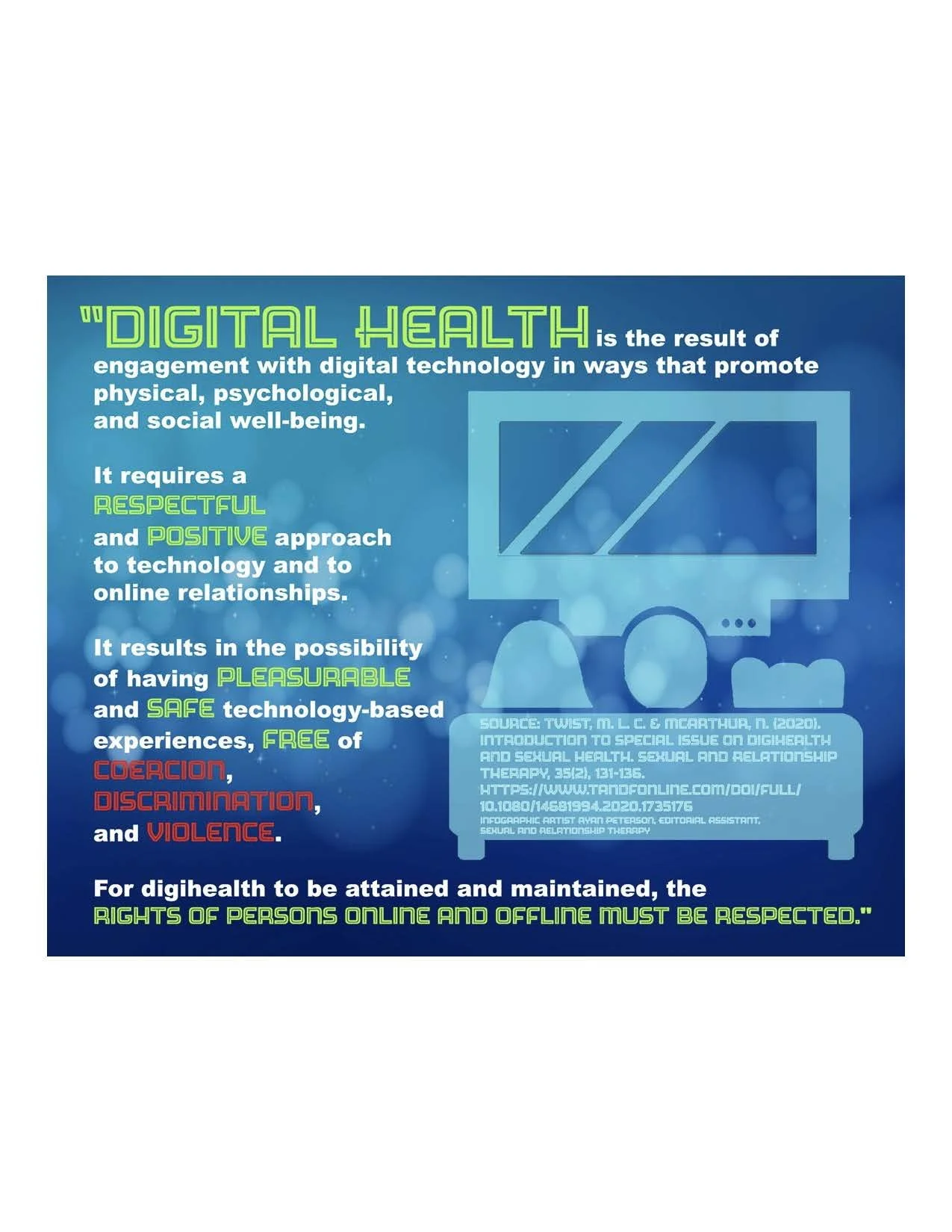
We are entering the era of Organic/Synthetic Relationships. This might mean a romantic involvement with a chatbot or a companion robot. In Japan, studies with the RoBoHoN robots showed that elderly participants formed deep, meaningful attachments to their robotic companions. These relationships can be safe, pleasurable, and free of coercion—provided they are built on mutual respect.

Navigating Divorce and Relationship Transitions in New York
Divorce in New York is amplified by the high-stakes real estate market and the competitive professional culture. Logistical complexities—such as deciding who remains in a co-op or how to divide high-asset portfolios—often lead to "toxic stalemates" that require specialized clinical intervention to resolve without excessive legal friction.

Mixed-Orientation Marriage in New York
New York City is defined by its ability to hold multiple truths at once. It is a city where tradition meets radical progress, and where the "standard" life path is frequently reimagined. For many couples, this reimagining happens within the sanctuary of their own home, particularly for those navigating a Mixed-Orientation Marriage (MOM).

Online Sex Therapy for High-Pressure New York Professionals
The drive that leads to professional dominance often creates a profound disconnect at home. This is the high-performance paradox: the very traits that make you successful in Manhattan are the same traits that may be eroding your intimacy.

Brainspotting vs EMDR
If you’ve been exploring trauma therapy, you’ve likely come across EMDR (Eye Movement Desensitization and Reprocessing) and Brainspotting. Both are powerful modalities designed to help people process and release trauma. But how do they differ? And more importantly, how do you know which one is the right fit for your healing journey?

Five Couples Therapy Tools
A 3D cartoon-style illustration of a couple sitting on a cozy couch in a warmly lit living room, engaged in a heartfelt conversation with a therapist's notebook symbolizing emotional connection and support in couples therapy.

What Is Kink-Affirming Therapy
Kink-affirming therapy is a therapeutic approach that centers the emotional and relational well-being of individuals involved in kink, BDSM, or alternative sexualities. It does not treat kink as something to be fixed, erased, or explained away. Instead, it holds space for your experiences, challenges, and desires with deep respect and curiosity.

Six Ways to Work With Your Inner Critic
Self-criticism doesn’t mean you’re broken. These 6 therapist-backed reframes offer gentle, practical ways to shift your mindset—and start healing. Use them daily or during moments of doubt to nurture confidence and self-compassion.

Mixed-Orientation Relationships
Discover how couples in mixed-orientation marriages can thrive through honest communication, intimacy solutions, and expert-supported growth.

What Sex Therapists Wish You Knew
What Sex Therapists want you to know! Great advice here to improve your sexual experience! Schedule your 1st session Here

Why I am no longer associated with AASECT
Identity, politics and ethics
As a therapist, my primary role is to support and understand my clients from an unbiased standpoint. While I generally keep my personal life separate from my professional practice, I believe sharing a bit about my own journey can sometimes help in forging deeper connections and understanding.